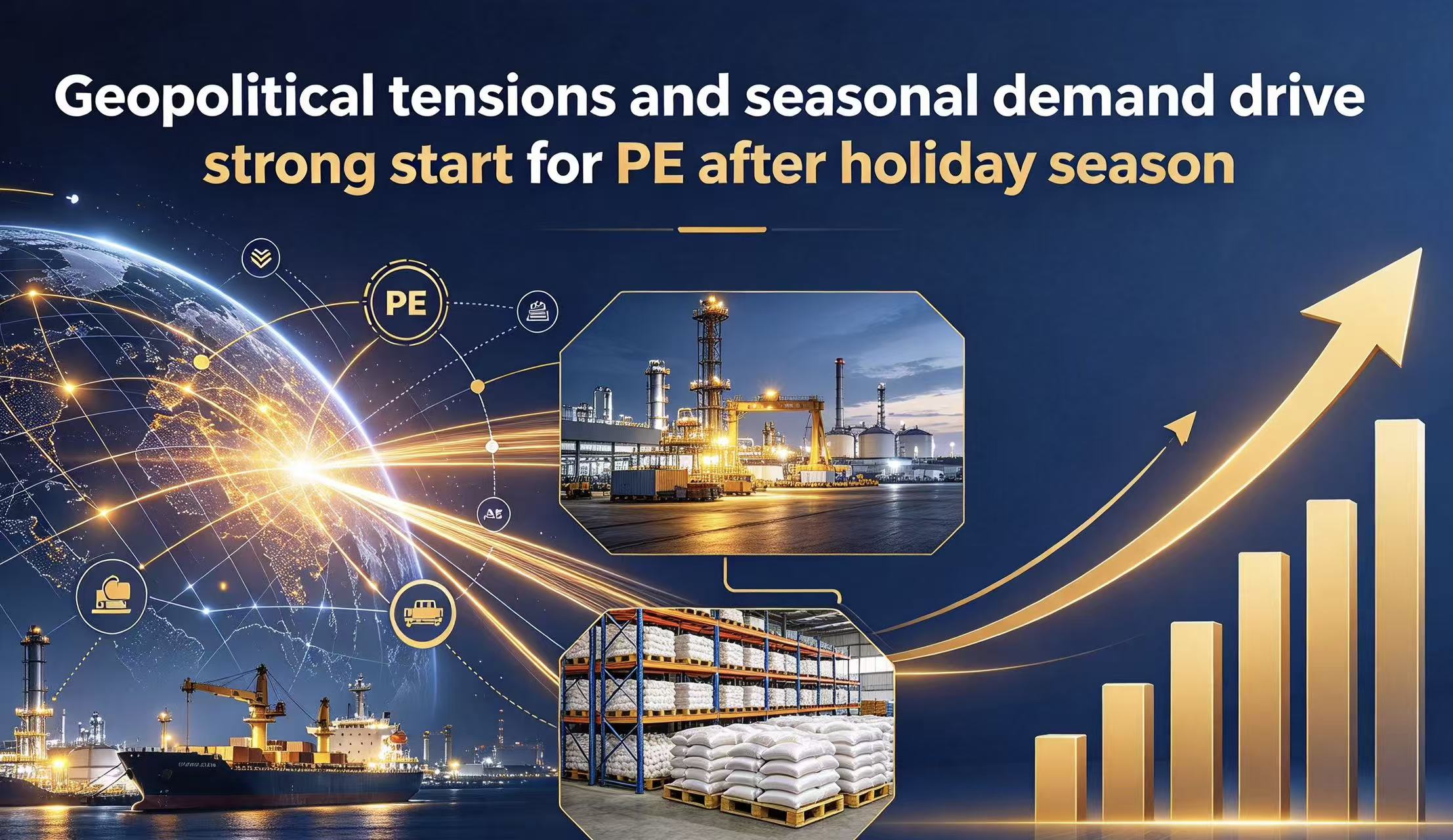
Supported by costs, the PE market remains stagnant at high levels, waiting for the wind to shift.
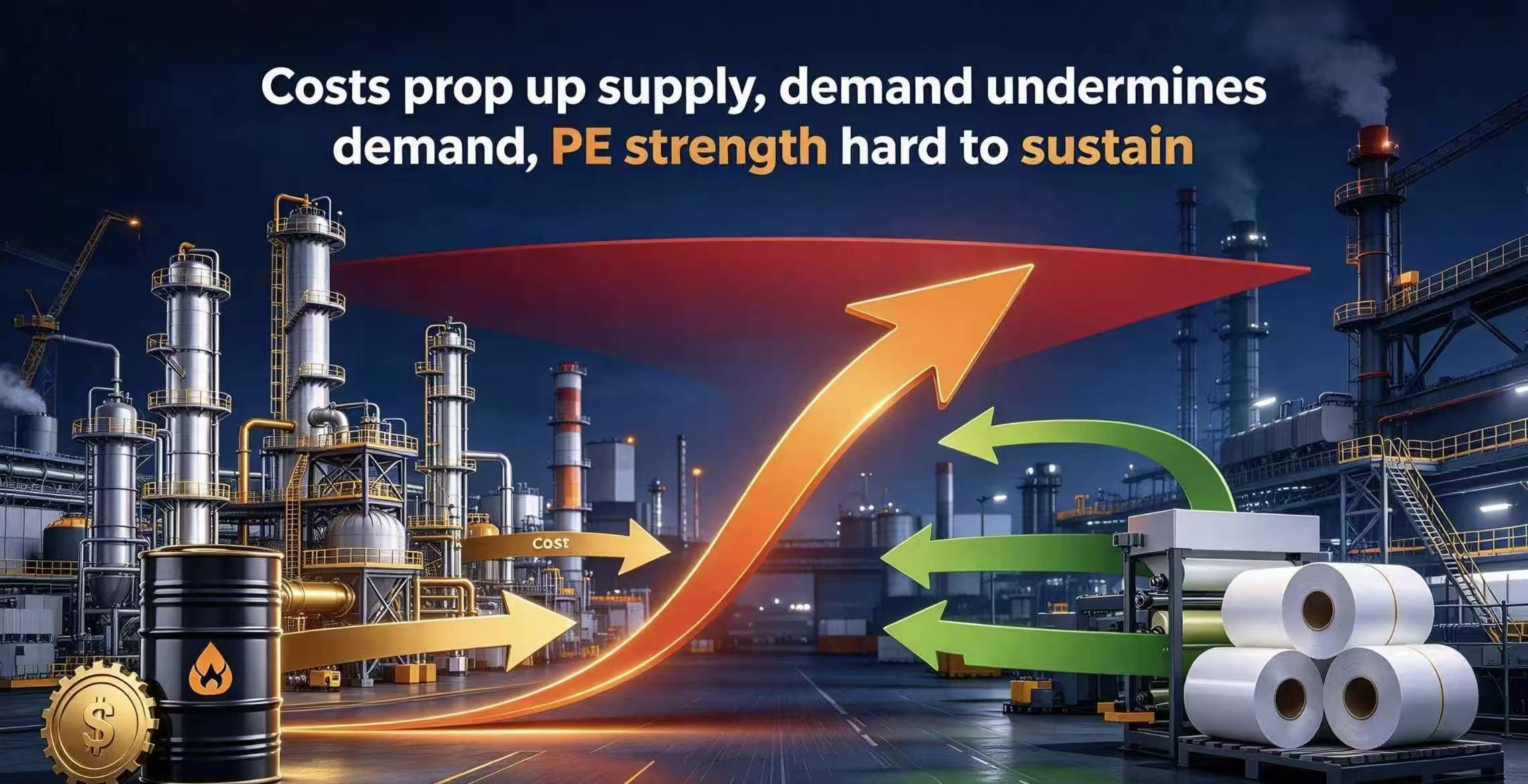
Introduction: in August, the PE market maintained high levels amid a tug-of-war between geopolitical risks and slow demand recovery. The U.S.-Iran standoff has pushed oil price higher, with solid cost support, but high downstream prices are weighing on demand, limiting actual actual consumption. Supply recovery remains slow and inventories remain manageable, leaving the market in a state of “unable to rise further, yet unable to fall deeply,”awaiting signals of peak season demand.

First. Geopolitical tensions resurface, providing strong support from the cost side
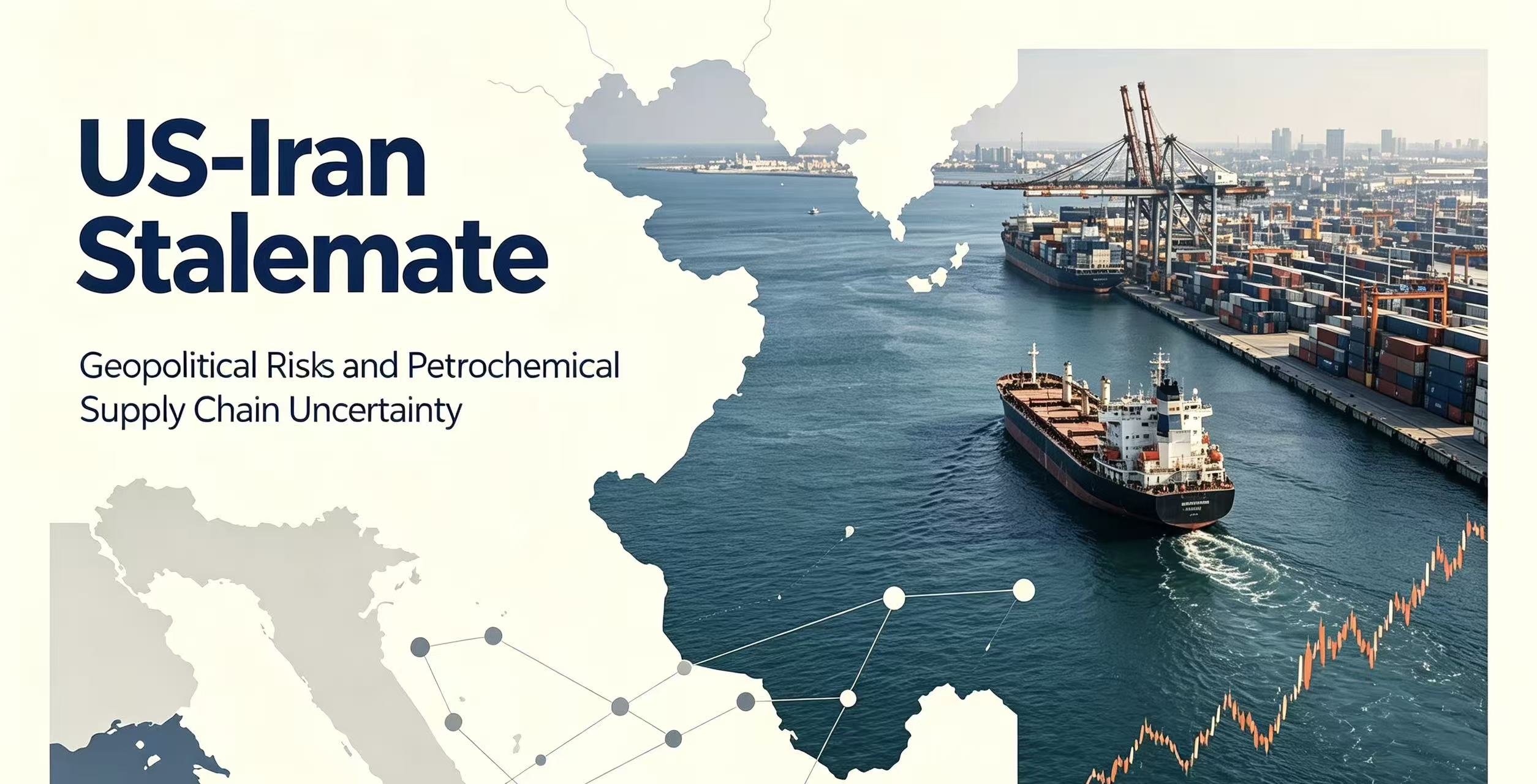
In August, the cost dynamics of polyethylene were largely driven by geopolitical factors. At the beginning of the month, markets had hoped for the resumption of shipping through the Strait of Hormuz, which temporarily weighed on oil prices. However, as negotiations over the U.S.-Iran memorandum concluded and the U.S. announced an indefinite maritime blockade, coupled with attacks on UAE vessels, geopolitical risk premiums returned sharply, pushing oil prices back up to year-high levels. Although Iran's president released a more conciliatory signal toward the end of the month, briefly triggering a short-term pullback in oil prices, the average monthly price remained significantly higher than in July, further strengthening cost support for PE.
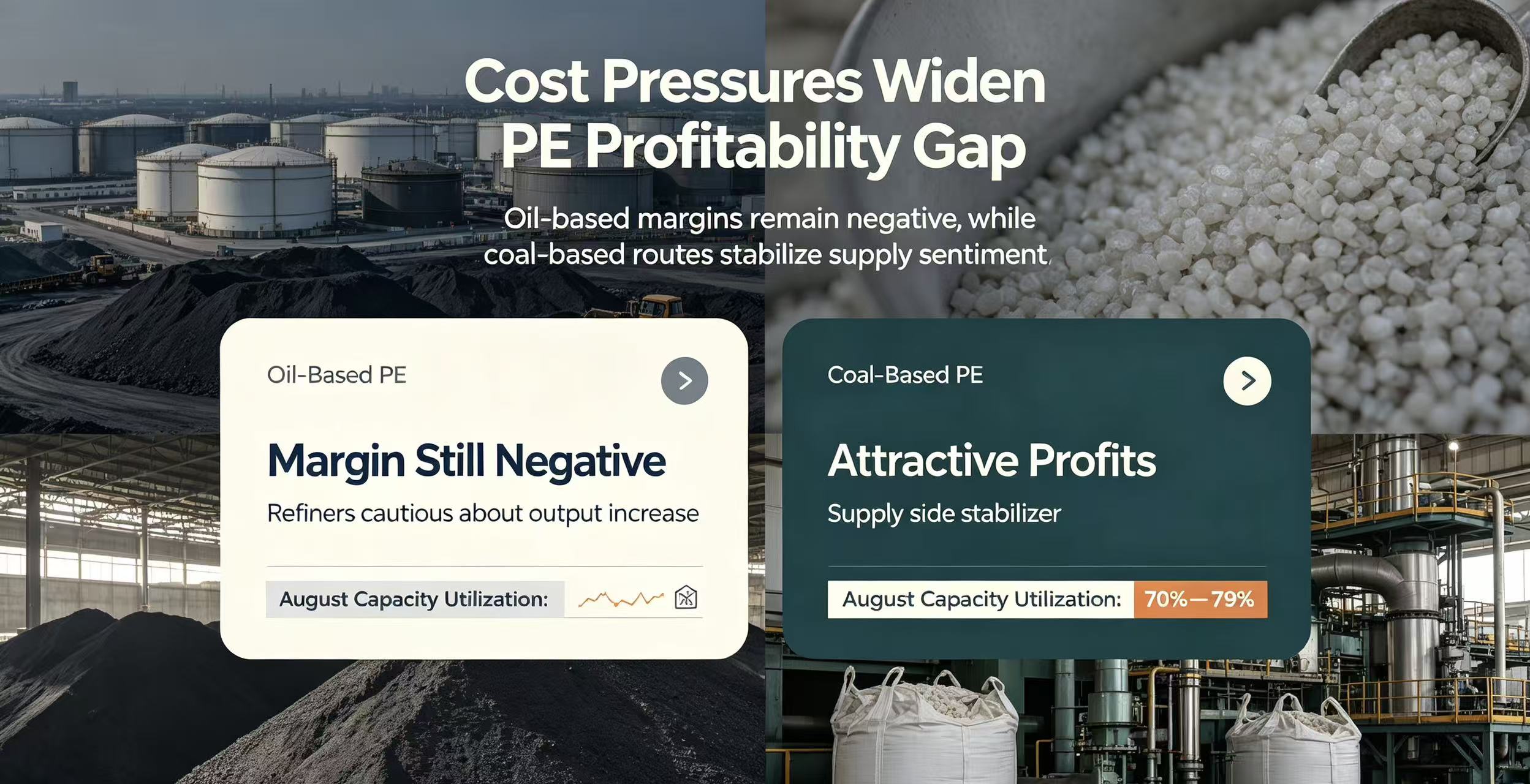
Under cost pressures, the divergence in profitability across production processes continues. Although oil-based polyethylene margins have improved from the deep losses seen in July, they remain negative, and refiners are still cautious about increasing output. In contrast, coal-based routes maintain attractive profits and continue to serve as a stabilizer on the supply side. Due to the lack of fundamental improvement in oil-based margins and an increase in unplanned maintenance shutdowns, domestic PE capacity utilization in August fluctuated between 70% and 79%, failing to show the typical seasonal surge.
Second. Maintenance disruptions continue, and new capacity output falls short of expectations.
In August, the operation of domestic polyethylene facilities was complex. While some older units gradually increased their load after resuming operations, new capacity installations lagged behind schedule in commissioning, and several units experienced temporary shutdowns. Unexpected maintenance at facilities such as Rongsheng Petrochemical, Yulin Chemical, and Tianjin Petrochemical led to a week-on-week decline in output and a corresponding drop in capacity utilization. Although the loads at Lanzhou Petrochemical and Shanghai Petrochemical—resumed in July—gradually returned to normal, the second-phase new production line at Tarim Petrochemical remained in the debugging phase, with actual commercial output far below full capacity. As a result, the market did not perceive any significant increase in supply.
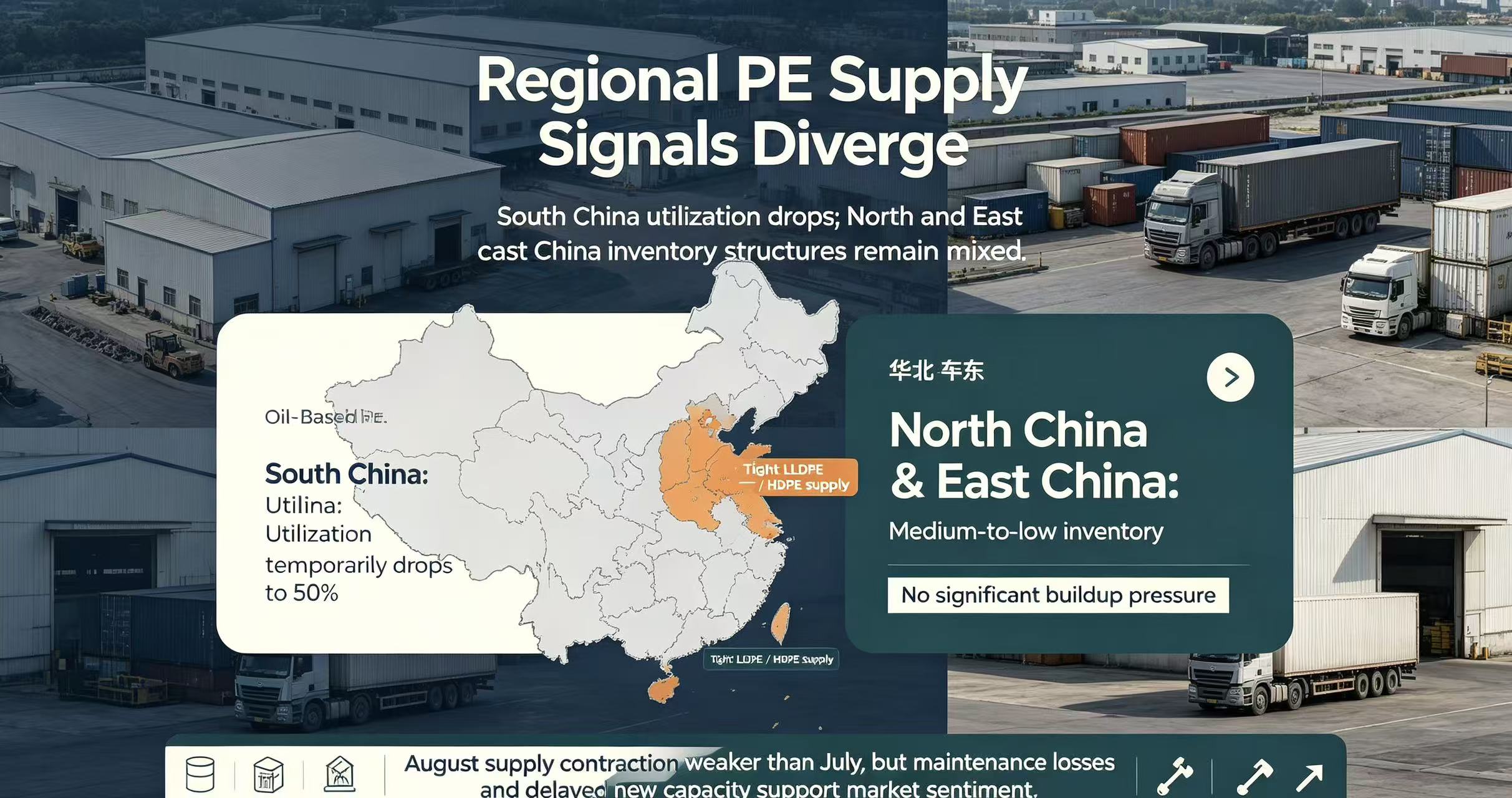
At the regional level, in South China, some facilities reduced their operating rates, causing utilization to temporarily drop to 50%, leading to tight local supplies of LLDPE and HDPE. In contrast, North and East China showed divergent inventory structures, with overall inventories remaining at a medium-to-low level, not yet facing significant buildup pressure. Overall, although supply-side contraction in August was slightly weaker than in July, maintenance-related losses remained substantial. Combined with delayed ramp-up of new capacity, the market has not yet experienced noticeable easing pressures.
Third. As the transition between peak and off-peak seasons continues, improvements remain moderate.
Compared to the lowest point in July, demand showed slight signs of recovery in August, but the improvement was limited and insufficient to drive prices to a meaningful breakout. Regarding agricultural films, operating rates in the latter half of the month rose from their low levels in July to 13%-19%. Orders for greenhouse films increased slightly among major manufacturers, leading to modest production growth, while smaller producers and mulch film output remained weak. Packaging film operations maintained at 45%-48%, primarily supported by the essential needs of the express delivery industry, showing relatively stable performance. Orders for pipes and hollow products remained flat.
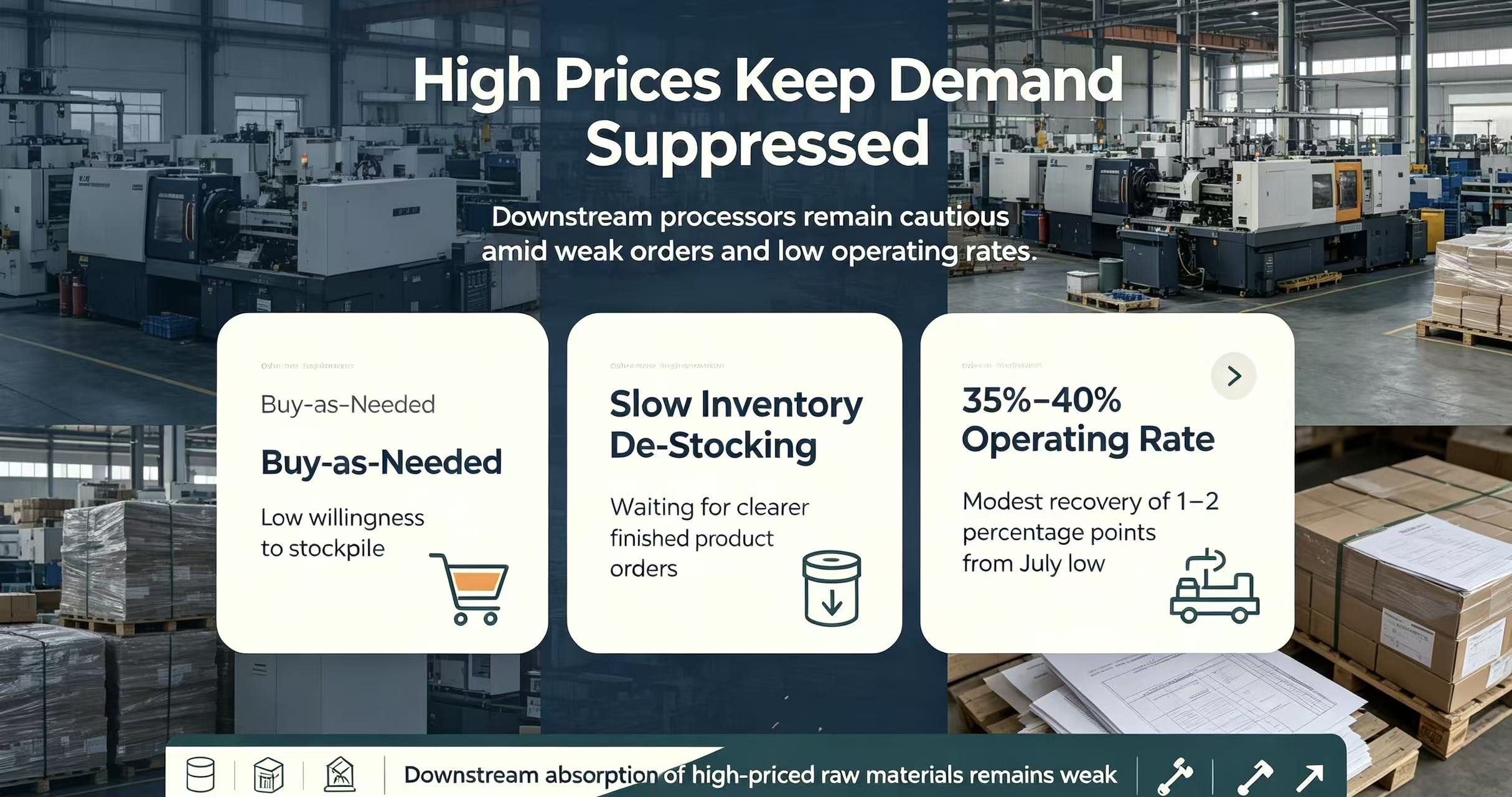
High prices continue to significantly suppress demand. Downstream processors face ongoing profit pressures, maintaining a "buy-as-needed" procurement strategy with low willingness to stockpile. The pace of social inventory reduction remains slow, and companies show limited enthusiasm for raw material procurement until finished product orders show clear improvement. The downstream overall operating rate stands at only 35%-40%, indicating weak capacity to absorb high-priced raw materials, with a modest recovery of just 1-2 percentage points from the July low point.
Fourth. High-level volatility continues; watch out for the unwinding of geopolitical premiums
In the short term, if tensions between the U.S. and Iran fail to ease and Strait shipping volumes remain low, crude oil prices are likely to stay high. Supported by cost underpinnings and tight supply, polyethylene (PE) will continue to fluctuate at elevated levels, with the price range potentially shifting slightly upward. However, two key variables require close monitoring: first, if geopolitical tensions ease significantly and Strait shipping recovers, crude oil could lose 5–8 dollars in geopolitical premium, exposing PE prices to a downward risk of 200–400 yuan per ton; second, seasonal demand for greenhouse films and packaging films is expected to surge in September, but supply will also rise accordingly—Tabei Phase II will gradually ramp up production, and previously shut-down facilities will resume operations, weakening cost support. Whether prices can break higher will hinge on whether peak-season demand exceeds expectations. Overall, the market at the end of August remains supported by strong cost factors and moderate improvements in supply-demand balance. However, entering September, investors should watch out for potential temporary pullbacks driven by the combined effects of declining geopolitical premiums and increased supply.


Your service intention information has been submitted to the platform, we will contact you within 2 working days, please check your email. Thank you.
CPC Index, fully known as China Plastic City Raw Material Price Index, is an important tool to reflect the price trend of plastic raw materials in China Plastic City. The launch of this index aims to provide a reliable reference basis for the majority of plastics industry enterprises to help them better grasp market trends and formulate business strategies.
As the "Industrial Information Operation Situation Index Enterprise" designated by the Ministry of Industry and Information Technology, our company is well aware of the industry's urgent need for accurate and timely plastic price information. Therefore, we officially launched the plastic index in June 2011, providing a professional and authoritative price reference for the majority of plastic enterprises.
The average price is an average price obtained through scientific calculation by our platform according to the price of various plastic products in the whole Chinese market. This average price not only reflects the reference price level of the market as a whole, but also is calculated based on the specific price situation of each sub-brand. In short, the average price is a comprehensive indicator, which reflects the average price level of various plastic products in the Chinese market during a certain period.
By viewing the average price of the market, you can understand the average price trend of various plastic products in a specific period. This helps you to better understand the market dynamics, supply and demand of various products and market competition.
The market reference price refers to the accurate and timely quotation provided by several large traders or agents of a certain brand in China Plastics City. We take the reference price of the brand in Yuyao area on the same day according to the price provided by them. The firm that provides the price is listed as the index gathering firm.
Through the market reference price, you can understand the average price level of the current market, so as to better formulate purchasing, sales and other business strategies. At the same time, the market reference price is also an important basis for users to analyze and forecast the market, helping them grasp the market trend and find business opportunities.
The reference price rise and fall list is a tool to rank the price rise and fall of various categories of plastic products under the market reference price. It tracks and compares the price changes of products under various categories of symbols in different time periods such as week, month and year, and then selects the top 20 with the highest price increase or the top 20 with the highest price decrease to form the price rise list and price fall list respectively.
The reference price rise and fall list provides a practical reference for practitioners in the plastics industry, helping you quickly capture the most volatile products in the market, and providing strong data support for your decision.